The little-known disaster that altered the course of history for Machilipatnam, and the need to remember the lost souls.
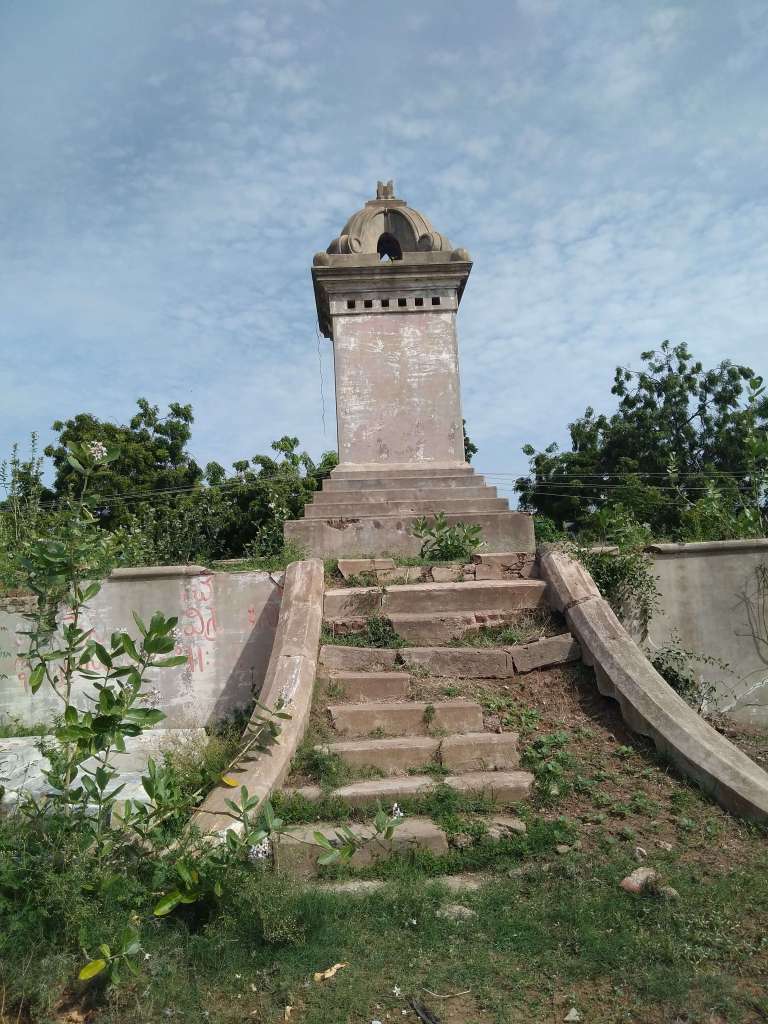
While the world celebrates All Saints Day and All Souls Day on November 1st and 2nd, it’s essential to remember a lesser-known event that unfolded exactly 159 years ago tomorrow. On November 1, 1864, the bustling port town of Machilipatnam faced a calamity of unimaginable proportions, resulting in the silent burial of an astonishing 30,000 lives beneath the unforgiving waves of the sea. This tragic event not only left an indelible scar on the town but also reshaped its destiny.
Machilipatnam had been a significant player in the shipping business, emerging as a major port in South India. It was on the cusp of becoming a thriving commercial hub. However, the fateful day of November 1, 1864, would alter its course dramatically.
That day, the sea raged with a fury rarely seen. Enormous waves, towering at 13 feet, cascaded upon the town, covering an astounding 780 square miles. It was a night of terror when the sea, without warning, engulfed Machilipatnam, its unsuspecting residents, and its dreams. At that time, the town’s population stood at 65,000, but in the wake of the catastrophe, 30,000 souls perished, swept away by the unforgiving sea.
The sea’s fury was so intense that it breached the Cheliala dam, causing it to traverse 17 miles, inundating villages and settlements. The waves of destruction spared none in their path. Those who survived witnessed their world transformed in the blink of an eye.

Amidst the chaos and despair, the British district collector, Mr. Thornhill, led a commendable rescue and recovery effort. English officers, along with the police, formed teams to bury the thousands of bodies and cattle carcasses strewn across the town. The magnitude of the tragedy was staggering, but their determination to bring some semblance of order in the face of devastation was remarkable.
The flood of November 1, 1864, etched its memory into the very landscape of Machilipatnam. Immense sand dunes formed along the seashore, affecting the town’s shipping and commercial activities. The economic ramifications were profound, and the saltwater intrusion into the surrounding agricultural lands further compounded the difficulties faced by the residents.
In the wake of the disaster, even drinking water sources were contaminated by saltwater, making life unbearable. In a remarkable show of solidarity, some philanthropic groups raised 17,000 rupees for drinking water, which was supplemented by a government contribution of 30,000 rupees. This initiative led to the construction of an underground pipeline from Naguleru to Koneru, effectively addressing the drinking water needs of the town’s population.
In the aftermath of the flood, stories of human greed emerged. Some individuals, driven by selfishness, engaged in the deplorable act of collecting gold ornaments from the bodies of the deceased. Their actions, born out of avarice, only added to the sorrow and pain of the survivors. A curse, they say, haunted the descendants of those who collected the ill-gotten gold, leading to tragic consequences that spanned three generations. It is a haunting reminder that the price of ill-gotten wealth is steep indeed.
The town of Machilipatnam persevered, albeit forever changed. Many residents, deeply affected by the flood’s intensity, chose to relocate to other areas. Even the British, who had harbored great expectations for the town, gave up on their ambitious plans and shifted their families to Madras. Salt water had contaminated the nearby wells, transforming it into a brackish expanse and making access to clean drinking water increasingly difficult.
It is disheartening that such a monumental tragedy remains largely forgotten. A grave oversight is evident in the absence of any commemoration or acknowledgment of the horrors endured by our forefathers. As we approach the 160th anniversary of this calamity, it is crucial to remember the lost souls and the profound impact of this tragic event.
Today, Machilipatnam boasts a population of two lakh, a stark contrast to the 30,000 who survived the flood of 160 years ago. Still, the memory of their great-grandparents’ plight has faded into obscurity. As we pay homage to the 30,000 souls who lost their lives, we must also remember the living history etched into the town. A visit to the memorial stupa, dedicated to those who perished in the flood, is an act of remembrance and respect. I
The stupa stands as a silent witness to the tumultuous night of November 1, 1864, when the sea rose to a fearsome height and claimed 30,000 lives. It is a living reminder of the tragedy that reshaped Machilipatnam. The inscriptions on its stone slabs, reminiscent of the restless waves of the sea, tell the tale of a town forever marked by that devastating flood.
As we mark the 159th anniversary of the 1864 flood, it is imperative that we do not let this tragedy fade into oblivion. The stories of heroism, survival, and human resilience in the face of overwhelming adversity deserve to be remembered and retold. By acknowledging the past, we not only pay tribute to the lost souls but also ensure that their sacrifice is not in vain. Let us remember the flood of 1864 and honor the indomitable spirit of the people of Machilipatnam who endured one of the most horrific disasters in history.
 SOCIAL PERSPECTIVES