Monitoring the Vital Signs of Our Ailing Planet

In recent times, global warming has emerged as one of the most pressing threats to the health of our planet. The impacts of climate change are far-reaching, and if we continue down the current path, we risk making the Earth uninhabitable for future generations. This article delves into the significant threats posed by global warming, which include rising sea levels, an uptick in natural disasters, loss of biodiversity, and disruptions in weather patterns. These transformations cast a long shadow over human health, ecosystems, and infrastructure. The time has come for immediate and collective action to address global warming and preserve our planet’s vital signs.
Global warming, as a result of human activities, is causing an unprecedented and catastrophic transformation in the Earth’s climate. Rising global temperatures and sea levels, spurred by the emission of greenhouse gases, have pushed our planet’s vital signs to the brink. Monitoring indicators such as land and ocean temperature, sea level height, ice loss in polar regions, and shifts in weather patterns paints a disconcerting picture of the changes occurring on Earth.

The heart of the problem lies in the greenhouse gases, especially carbon dioxide, that have been released into the atmosphere through human activities. These gases have disrupted the Earth’s energy budget, trapping heat and resulting in higher temperatures. The effects of this energy imbalance are exacerbating various natural disasters, including hurricanes, heatwaves, floods, and more.
One of the most significant casualties of global warming is the natural world. Wildlife and ecosystems are experiencing catastrophic consequences across the globe. The increase in greenhouse gases and the resulting rise in temperatures are causing irreversible harm. Glaciers and ice sheets are melting, river and lake ice is breaking up prematurely, and plant and animal ranges are shifting. This article will shed light on the consequences of these changes, impacting both human and environmental health.
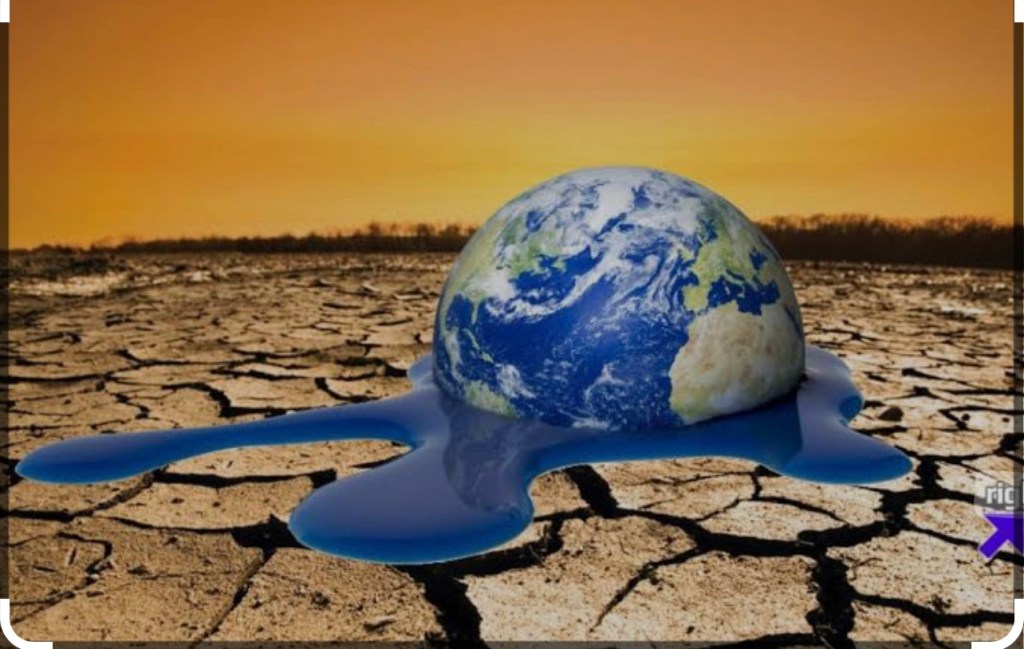
Beyond the environmental effects, global warming poses an immediate threat to human health. Rising temperatures are linked to an increase in air pollution, the spread of diseases, more frequent extreme weather events, forced displacement, mental health issues, and greater challenges related to food security. The impacts on health are far-reaching and must be addressed proactively.
Understanding the drivers of global warming is essential. The primary sources of greenhouse gases include the burning of fossil fuels, deforestation, livestock farming, and the emission of fluorinated gases. Each of these activities contributes to the increasing concentration of greenhouse gases in the atmosphere, further intensifying the global warming phenomenon.
Monitoring the vital signs of our planet is crucial in understanding the extent of global warming. Key indicators include the height of sea levels, the concentration of atmospheric carbon dioxide, and the state of Antarctic ozone. Tracking the movement of water around the globe using gravity maps, identifying volcanic eruptions and forest fires through carbon monoxide measurements are also vital in comprehending the severity of the changes occurring on Earth.
Preventing further damage from global warming demands concerted global efforts. While some effects may be irreversible, action taken now can mitigate the more catastrophic consequences. Reducing greenhouse gas emissions, adopting sustainable practices, and fostering awareness are the first steps towards healing our planet.
Global warming poses a severe and immediate threat to the health of our planet. The effects of climate change are evident in rising temperatures, melting ice sheets, and shifts in ecosystems. The consequences extend to human health and well-being, as we grapple with air pollution, diseases, and food security issues. The culprits behind global warming must be addressed, and concerted global efforts are required to limit the extent of the damage.
Our planet’s vital signs are the key to understanding the severity of the changes underway. Tracking these indicators will guide our actions and help us mitigate the consequences of global warming. The clock is ticking, and the time for collective action is now. Only by taking immediate steps to reduce our carbon emissions and protect our planet can we secure a sustainable future for our planet and its inhabitants.
visit arjasrikanth.in for more insights
 SOCIAL PERSPECTIVES