Breath of Fresh Air: Paving the Way for Cleaner Skies

Delhi, India’s bustling capital, is grappling with a relentless adversary – air pollution. The city, landlocked and surrounded by neighboring states, faces a formidable challenge in controlling pollution levels. Long-term social measures are imperative to combat this crisis effectively. Delhi’s air quality isn’t just a concern for policymakers; it’s a dire need for society as a whole. This article delves into the multifaceted issue of air pollution in Delhi, exploring its impact on public health and proposing strategic, society-driven solutions.
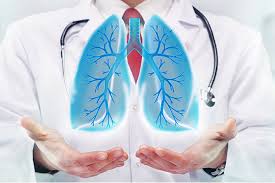
Delhi’s air pollution is not merely an environmental concern; it’s a significant public health crisis. Prolonged exposure to polluted air escalates the risk of respiratory and cardiovascular diseases, and the statistics are startling. According to the World Health Organization (WHO), air pollution is associated with over 1 million premature deaths in India every year and a staggering 7 million deaths worldwide. The adverse effects of air pollution extend beyond the lungs and cardiovascular system, impacting the central nervous system and causing a range of health issues. Long-term exposure to air pollution is linked to chronic bronchitis, chronic obstructive pulmonary disease (COPD), pneumonia, heart diseases, and central nervous system dysfunctions. It also increases the risk of various diseases, including stroke, lung cancers, aggravated asthma, and lower respiratory infections.
Various factors contribute to Delhi’s poor air quality, including: One of the leading sources of air pollution in Delhi is emissions from motor vehicles ; Industries emit pollutants into the atmosphere, further deteriorating air quality ; Inadequate ventilation and household activities contribute to indoor air pollution ; Stubble burning in neighboring states, such as Punjab and Haryana, worsens air quality in Delhi ; Dust from construction activities adds to the particulate matter in the air ; Open burning of garbage releases harmful pollutants into the atmosphere.
To tackle the problem of air pollution in Delhi, several steps being taken and suggested are: Shifting from conventional vehicles to electric ones can substantially reduce air pollution from motor vehicle emissions. The Supreme Court’s intervention has already led to cleaner fuel adoption, but EVs are the way forward ; Delhi must collaborate closely with its neighboring states to curtail activities like stubble burning, which significantly worsen the air quality in the city ; Delhi requires systemic changes to ensure long-term air quality improvement, with well-defined policies and implementation strategies.
Ambient air pollution poses a significant threat to public health, with far-reaching consequences. It leads to more than four million preventable deaths globally each year, and in Delhi, non-communicable diseases (NCDs) due to air pollution surpass global averages. The harmful effects of pollution are not limited to the lungs but extend to all aspects of health. People are forced to stay indoors due to hazardous outdoor air, impacting their ability to exercise and work. Air pollution in Delhi is responsible for various NCDs, including chronic obstructive pulmonary disease (COPD), bronchial asthma, and other illnesses. The city records hundreds of thousands of premature deaths annually, primarily due to the elevated levels of particulate matter (PM) in the air, particularly PM2.5.
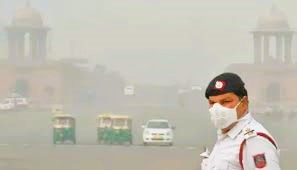
As winter approaches, Delhi experiences a spike in air pollution, reaching hazardous levels. Smoke from stubble fires, Diwali firecrackers, and local sources of pollution all contribute to this worsening crisis. At this time, there is a substantial increase in cases of COPD, asthma, pneumonia, and other respiratory issues. Prolonged exposure to pollution leads to a surge in lung cancer cases, making the long-term effects of air pollution abundantly clear.
The impact of air pollution is evident in the increasing number of patients seeking emergency care for respiratory issues. Even when air quality falls slightly into the “poor” category, a significant rise in cases is observed. During the peak of the pollution crisis, when PM2.5 levels reach around 400 micrograms per cubic meter, the rise in patients seeking emergency care can be as high as 40%. The chronic effects of pollution exposure lead to a spike in cases of chronic obstructive pulmonary disease (COPD), asthma, pneumonia, and even lung cancer. This prolonged exposure also impacts overall longevity and can lead to heart and neurological problems.
Mitigating the impact of pollution on public health is essential to limit the morbidity and mortality caused by exposure to air pollution. It’s crucial to address the issue of air pollution, not only for the sake of the environment but for the well-being of the people.
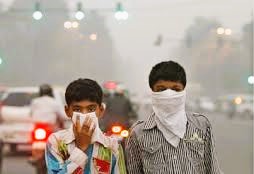
Delhi’s battle with air pollution is an ongoing struggle, exacerbated by external factors like stubble burning in neighboring states. The health repercussions of this crisis are undeniable, with a significant increase in cases of respiratory diseases and other related health issues. Long-term systemic changes are vital, including transitioning to electric vehicles, addressing industrial emissions, and encouraging sustainable practices. Delhi’s quest for cleaner air necessitates collective action from society, the government, and relevant stakeholders to secure a healthier, cleaner future for its residents. Clean air is a fundamental human right, and it’s time for Delhi to take the necessary steps to ensure that right is upheld.
visit arjasrikanth.in for more insights
 SOCIAL PERSPECTIVES