The recent conflict between Hamas and Israel sparks debates at the UN and divides global opinion.
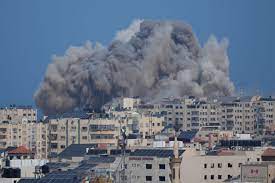
The unrest between Hamas and Israel has captured global attention, leading to heated discussions at the United Nations and divided opinions worldwide. This article examines the four sides of this complex coin, starting with the Hamas attack on Israel on October 7th, followed by the Israeli counter-attack. We will then explore the opinions of the United Nations and the global community at large, shedding light on the diverse perspectives surrounding this ongoing conflict.
On October 7th, Hamas launched a series of attacks on Israel, triggering a wave of violence and unrest. These attacks were met with condemnation from the international community, as they targeted innocent civilians and posed a threat to regional stability. The Israeli government, caught off guard, responded swiftly to these attacks, vowing to protect its citizens and restore peace in the region.
In response to the Hamas attacks, Israel launched a counter-offensive to neutralize the threat and ensure the safety of its people. This offensive involved targeted strikes on Hamas military infrastructure and key personnel. While Israel argued that its actions were necessary for self-defense, they have faced criticism for the civilian casualties incurred during the strikes.
The conflict between Hamas and Israel quickly became a topic of debate at the United Nations. UN Secretary-General Antonio Guterres stated that the attacks by Hamas did not happen in a vacuum, highlighting the plight of Palestinians living under occupation for 56 years. Guterres condemned the collective punishment imposed on the Palestinian people but also faced severe criticism from the Israeli ambassador, who demanded his resignation for allegedly sympathizing with terrorism.

Global opinion on the conflict remains divided. Supporters of Israel argue that the country has the right and duty to defend itself against terrorist attacks. They point to Hamas’ use of human shields and its disregard for civilian lives as evidence of the group’s barbarism. On the other hand, critics of Israel’s actions raise concerns about the disproportionate use of force, civilian casualties, and the impact on the humanitarian situation in Gaza.
The recent conflict between Hamas and Israel has had far-reaching consequences on regional stability. The attacks by Hamas and Israel’s subsequent counter-offensive not only escalated tensions between the two parties but also strained relationships with neighboring countries. Egypt and Jordan, both of whom have peace agreements with Israel, expressed concerns over the violence and called for an immediate ceasefire. This conflict has highlighted the delicate balance in the region and the need for diplomatic efforts to prevent further escalation.

The conflict has exacerbated the already dire humanitarian situation in Gaza. The densely populated strip has been heavily impacted by the Israeli strikes, resulting in the destruction of infrastructure, including hospitals, schools, and homes. The limited access to basic necessities such as food, water, and electricity has further worsened the plight of the Palestinian population. International humanitarian organizations have called for urgent assistance to address the immediate needs of those affected and to support the long-term recovery efforts.
In the face of this ongoing conflict, diplomatic efforts have been initiated to de-escalate tensions and find a sustainable solution. Several countries, including Egypt, Qatar, and the United States, have been actively involved in brokering negotiations between Hamas and Israel. These efforts aim to secure a ceasefire and lay the groundwork for future peace talks. The international community, including the United Nations, has emphasized the importance of dialogue and a diplomatic resolution to prevent further loss of life and suffering.
The conflict has received extensive media coverage globally, with news outlets closely following the developments on the ground. Social media platforms have also played a significant role, allowing individuals from around the world to voice their opinions and share information in real-time. However, the rapid spread of misinformation and inflammatory content has also been a challenge, often fueling tensions and exacerbating divisions among different communities.
While efforts are focused on ending the immediate violence, finding a long-term solution to the Israeli-Palestinian conflict remains a complex challenge. The issues at the heart of this conflict, including borders, settlements, and the right to self-determination, require comprehensive negotiations and compromises from both sides. The international community, including the United Nations, must continue to support and facilitate these efforts, promoting peace, justice, and stability in the region.
The conflict between Hamas and Israel has unleashed a wave of violence, stirring debates at the United Nations and dividing global opinion. As the situation unfolds, it is essential for all parties involved to prioritize dialogue, humanitarian assistance, and diplomatic efforts. Only through peaceful resolutions can the cycle of violence be broken, and a path towards a just and lasting peace be established for the people of Israel and Palestine.
Visit arjasrikanth.in for more insights.
 SOCIAL PERSPECTIVES