The recent Supreme Court verdict on same-sex marriage raises questions about the delicate balance between individual rights and social acceptance.
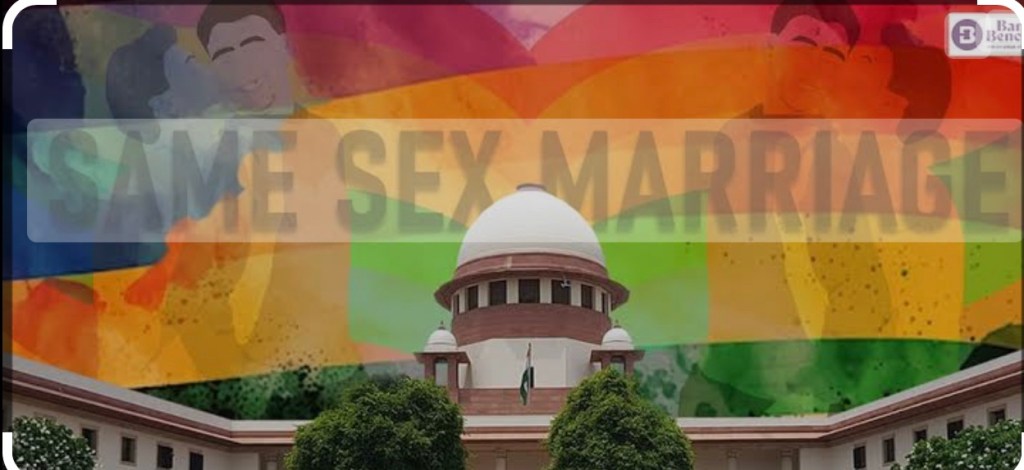
The issue of same-sex marriage has long been a contentious and sensitive topic, with arguments on both sides of the debate. In a recent verdict, the Supreme Court unanimously declined to recognize same-sex marriages, stating that it should be dealt with by the Parliament. This decision has been met with disappointment by the queer community, which has been fighting for marriage equality and the rights that come with it. This article will explore the consequences of this verdict and the need to strike a balance between rights and social acceptance.
The Supreme Court’s decision not to recognize same-sex marriages has left many feeling disappointed and frustrated. Advocates for marriage equality argue that denying same-sex couples the right to marry goes against the principles of equality and human rights. They believe that every individual should have the freedom to marry the person they choose, regardless of their sexual orientation.
The verdict has shifted the burden to the legislature, leaving it up to the Parliament to address the concerns of the queer community. While the central government has made its stand clear on marriage, it is now up to the state governments to take action. The recognition of civil unions could be a step forward in ensuring some rights for same-sex couples, but it falls short of the full marriage rights they seek.
The issue of same-sex marriage is not just about legal recognition; it is also about social acceptance. While laws can be changed to grant equal rights, societal attitudes and prejudices can take longer to shift. It is important to strike a balance between recognizing individual rights and promoting social acceptance.
Advocates argue that legalizing same-sex marriage would not only grant couples the rights that come with marriage, such as property transfer and pension benefits, but it would also send a strong message of acceptance and inclusivity. It would help break down the barriers that LGBTQ+ individuals face and contribute to a more tolerant and inclusive society.
The Supreme Court’s decision to leave the issue of same-sex marriage to the Parliament highlights the importance of legislative action. While the judiciary can play a role in protecting rights, it is ultimately the responsibility of the legislature to enact laws that reflect the evolving values of society.
It is crucial for lawmakers to prioritize the recognition of civil unions and address other concerns of the queer community, such as employment nondiscrimination and healthcare decision-making rights.
The recent Supreme Court verdict on same-sex marriage has brought the issue into the spotlight once again. While disappointing to many, it highlights the need to strike a balance between individual rights and social acceptance. The recognition of same-sex marriage is not just a legal issue; it is a matter of human rights and equality.
It is now up to the legislature to take action and address the concerns of the queer community. By recognizing civil unions and enacting laws that protect the rights of same-sex couples, lawmakers can contribute to a more inclusive and accepting society. It is only through a combination of legal recognition and social acceptance that true equality can be achieved for all.
Visit arja srikanth.in for more insights
 SOCIAL PERSPECTIVES