Online financial frauds in India have become a pressing issue, with cybercriminals employing various tactics to deceive unsuspecting victims. These scams include phishing emails, counterfeit websites, and mobile apps masquerading as financial services but designed to steal sensitive data and money. It is essential for individuals to exercise caution when conducting online financial transactions and opt for reputable banks and financial institutions. Additionally, consistent account monitoring and staying alert for any suspicious activities are vital in safeguarding against financial fraud.
In this digital age, online scammers and hackers continuously devise new strategies to exploit unsuspecting individuals for financial gain. WhatsApp, one of the most widely-used messaging apps, has become a primary target for these cybercriminals. The Kolkata Police cyber cell has recently issued a warning to WhatsApp users following a surge in reports of sophisticated cyber frauds. This article aims to shed light on the various scams and frauds that specifically target WhatsApp users, along with essential tips to protect yourself from falling prey to such schemes.
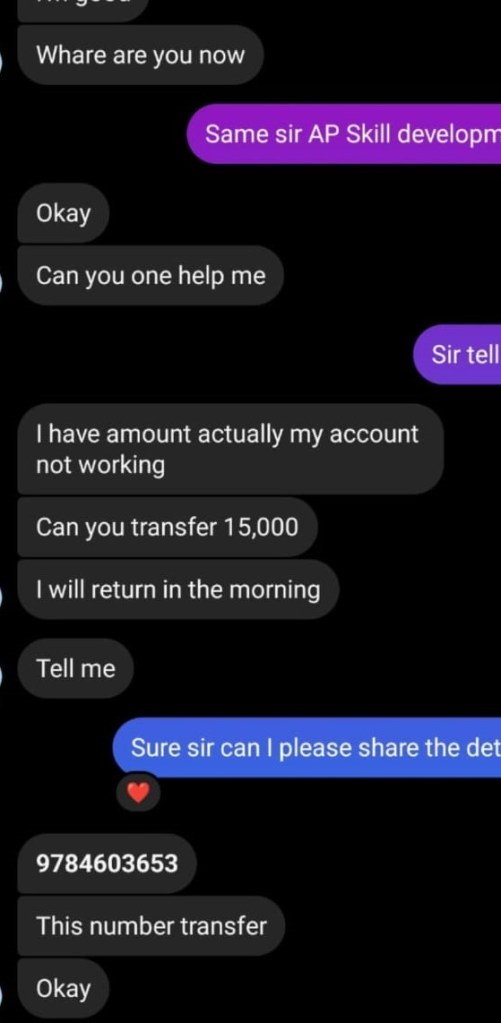
These online financial frauds often start with hackers gaining unauthorized access to victims’ Facebook or WhatsApp profiles. Once they have control, they manipulate the trust of the victim’s friends and contacts by reaching out via Facebook, WhatsApp, or Messenger. One common tactic is to impersonate the victim and create a sense of urgency by claiming an urgent need for money. They may promise to return the money within 24 hours or concoct false scenarios, such as yoga classes, to lure potential victims using deceptive links.
When victims click on the provided link, they are prompted to share a six-digit OTP code. Unbeknownst to them, this code is actually a WhatsApp verification code. By sharing this code with the scammers, the victims unknowingly grant access to their WhatsApp accounts. Once the scammers gain control, they impersonate the victim and exploit their contacts for financial gain. This may involve requesting money under the guise of an emergency or engaging in other criminal activities.
In some cases, the scammers take their fraudulent activities a step further by resorting to extortion. They coerce their victims into investing in cryptocurrency as a means to regain access to their WhatsApp accounts. This adds an additional layer of complexity and potential financial loss for the victims.
The Police cyber cell has responded to the increasing incidents of WhatsApp hacks by issuing a warning to all netizens. They advise users not to forward any messages from known contacts that ask for sharing WhatsApp codes. The police emphasize the importance of cooperation and vigilance in combating this type of cybercrime.
Regardless of the message’s source, never share your WhatsApp verification code with anyone. Scammers often pose as known contacts to trick unsuspecting victims; Take advantage of the two-step verification feature offered by WhatsApp. This adds an extra layer of security by requiring a PIN code in addition to the verification code ; Be wary of clicking on links sent through WhatsApp, especially if they appear unrelated or come from unfamiliar contacts. Always verify the authenticity of the source before proceeding. ; Protect your smartphone with a strong password or biometric lock. Avoid leaving your phone unattended in public places to minimize the risk of unauthorized access.
As online scams and hacks continue to evolve, it is crucial for WhatsApp users to remain vigilant and take necessary precautions to protect their accounts and personal information. The various scams targeting WhatsApp users highlight the importance of staying informed and adopting proactive security measures. By following the advice provided by the Police cyber cell and implementing the suggested security measures, users can safeguard themselves against these cyber threats. Remember, prevention is key in the ever-changing landscape of online fraud. Stay safe, stay vigilant, and protect your financial well-being in the digital world.
Some one hacked my account and it goes like this…
Visit arjasrikanth.in for more insights.
 SOCIAL PERSPECTIVES