Farmers hold the key to victory in the forthcoming state elections as political parties in Madhya Pradesh, Rajasthan, Chhattisgarh, and Telangana aim to address their concerns and gain their support.
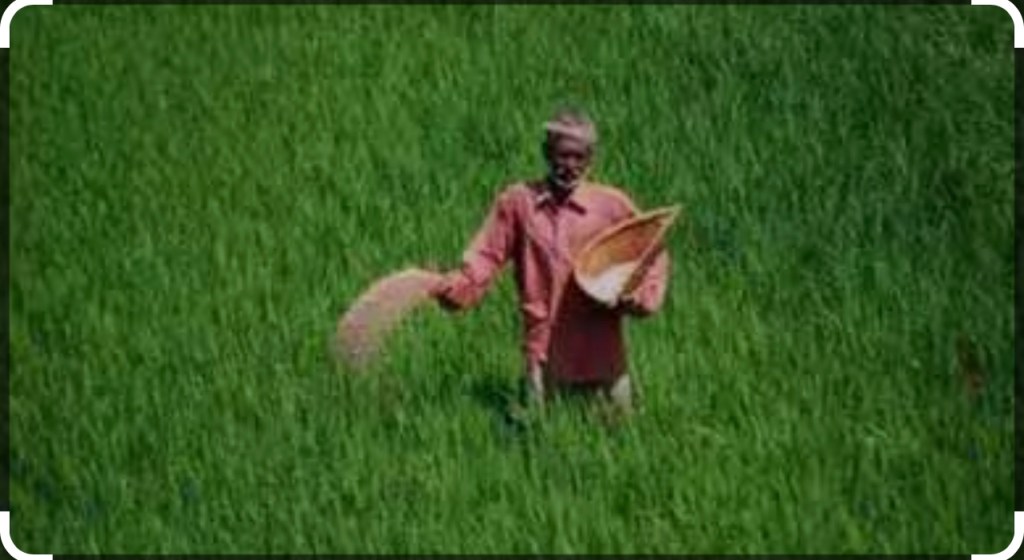
As India gears up for state elections, the significance of the agricultural sector and the welfare of farmers cannot be overlooked. With over 45% of the country’s workforce engaged in farming, political parties are vying for their support in states like Madhya Pradesh, Rajasthan, Chhattisgarh, and Telangana. These states have a higher proportion of the workforce employed in agriculture compared to other regions, making farmer-centric incentives crucial for electoral.
In Chhattisgarh, where over 60% of the workforce is engaged in agriculture, the Congress government led by Bhupesh Baghel has promised to increase the paddy purchase price to Rs.3600 per quintal. Rice is a significant crop in the state, and the previous BJP government, under Raman Singh, initiated the practice of direct paddy procurement from farmers. Over time, the government increased the minimum support price (MSP) and provided additional bonuses, making Chhattisgarh one of the top states in terms of paddy procurement. The increased support for rice farmers has injected significant funds into rural areas, benefiting the agricultural sector.
In Rajasthan, the agricultural landscape differs from Chhattisgarh, with rice being less prominent. However, the northern part of the state faces Cotton crop losses due to the pink bollworm infestation, impacting farmers heavily. The government must address this issue to protect the livelihoods of farmers. Additionally, Rajasthan is also known for growing crops like mustard, wheat, and barley. The state government must focus on diversifying agriculture and providing necessary support to farmers in these sectors.
With over 44% of the state’s economic productivity coming from agriculture, Madhya Pradesh has made significant investments in the sector. Under the previous BJP government led by Shivraj Singh Chouhan, efforts were made to improve irrigation systems and establish mandis (agricultural markets). The state has become a major contributor to the central pool for wheat production. However, the current government’s initiatives in agriculture have been limited, and it remains to be seen how this will impact the electoral outcome.
Telangana, under the leadership of K Chandrasekhar Rao, has implemented the Rythu Bandhu scheme, India’s first direct benefit transfer program for farmers. Under this scheme, farmers receive financial assistance of Rs.5000 per acre per season for two crops, totaling Rs.10,000 per year. This initiative has garnered significant support for the government, especially as it expanded irrigation infrastructure through the Kaleshwaram project. Telangana has emerged as a major contributor to the central pool for paddy and cotton procurement, further highlighting the government’s focus on farmers’ welfare.
As the state elections approach in India, political parties recognize the importance of farmer-centric incentives in securing electoral victory. In states with a significant agricultural workforce like Madhya Pradesh, Rajasthan, Chhattisgarh, and Telangana, addressing farmers’ concerns and providing support through initiatives such as increased MSP, direct benefit transfer schemes, and crop diversification can make a significant impact. By prioritizing the welfare of farmers, political parties can ensure sustainable agricultural growth and uplift the lives of millions of rural households.
Visit arjasrikanth.in for more insights
 SOCIAL PERSPECTIVES