Breaking Stereotypes and Shaping a Gender-Equal Future in India Embracing Change and Nurturing Equality – India’s Women on the Path to a Brave New World
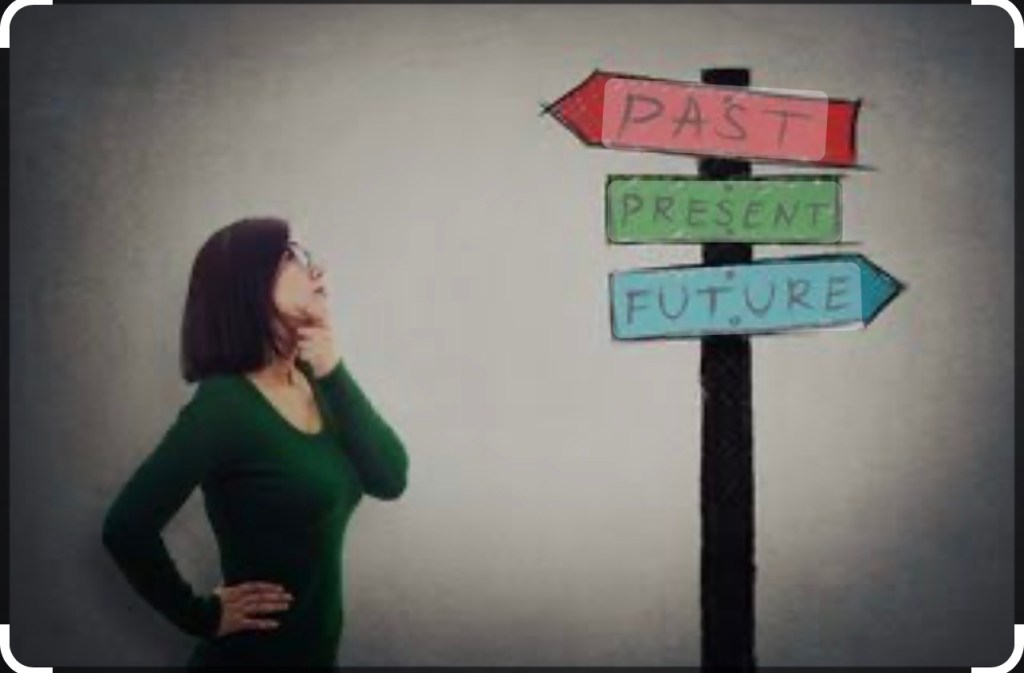
In the ever-evolving landscape of India, the role of women is undergoing a remarkable transformation. Yesterday, they were bound by age-old traditions and stereotypes, but today, the winds of change are sweeping across the nation. Economic independence is reshaping social dynamics, compelling both men and women to reevaluate their positions. As the world embraces the digital age and the tech revolution unfolds, Indian women are at the forefront of this societal upheaval. Their journey from a constrained past to an empowered present hints at a promising future.
From a time when women were confined to the shadows, today’s India bears witness to the emergence of women as independent, educated, and self-sufficient individuals. As the world observed International Women’s Year, it raised questions about the impact of these changes in India, a nation with a rich tapestry of culture and tradition.
The status of Indian women has been influenced by centuries of history, each era adding its own layer to their story. In the Rig Vedic, Puranic, and Buddhist times, women enjoyed significant freedoms. They were equals in rights and privileges, actively participating in various facets of society. Monogamy was the norm, and widows could remarry. However, over the years, social norms began to shift. Buddhism rekindled the light of gender equality, but the subsequent eras brought a decline, particularly with the arrival of the Muslim conquerors. Practices like purdah, child marriages, female infanticide, and sati became prevalent, suppressing women’s voices and independence.
Nevertheless, India has always revered women as goddesses, each with unique qualities symbolizing knowledge, wealth, courage, and strength. These attributes provide a glimpse into the expectations placed on women. History reveals stories of women who fought alongside men in battles, governed kingdoms, and played pivotal roles in the nation’s struggle for independence. India even celebrated the distinction of having a female prime minister.
Yet, despite these pockets of enlightenment, much of India remained entrenched in traditional gender roles. Women, while being raised with the awareness of their equality, often shied away from professional careers in favor of family life. However, times are changing rapidly.
In today’s India, more women are stepping into the workforce, challenging stereotypes and breaking barriers. The feminist movement, constitutional amendments granting equal rights, and the necessity of dual incomes in modern households are propelling women into previously male-dominated spheres. The government is actively supporting women in their pursuit of financial independence, recognizing the potential of their contributions to the economy.
As women continue to navigate the transition from home life to the workplace, they are pushing for flexible working arrangements, part-time jobs, and remote work opportunities. Society is becoming more accepting of working women, not only in urban but also rural areas. Women are proving their worth across diverse professions, from the police force to the armed services, and even as pilots.
Nevertheless, gender equality is still a work in progress. The representation of women in senior positions and on corporate boards remains inadequate. Challenges such as bias and harassment persist. Yet, women are standing firm, demanding their rights and dismantling societal barriers.
In the past 50 years, India has made considerable strides. Men are slowly recognizing the intellectual and professional capabilities of women, and gender gaps are narrowing. The hope is that the coming generations will grow up in a world free of gender discrimination.
The status of women in India has come a long way since independence.
Structural and cultural shifts have allowed for more equitable opportunities in education, employment, and political participation. Today, the advancement of women is one of the most significant developments in modern India, resonating with Mahatma Gandhi’s assertion that women are the noblest of God’s creations.
However, challenges still exist. Gender inequality is a global issue, denying women their rights to education, healthcare, economic opportunities, and political involvement. India is no exception to this problem, as it continues to grapple with the mistreatment and discrimination of women. The Indian Constitution guarantees equal rights to women, but the translation of these rights into practical, everyday life remains a complex journey.
Traditional roles have held women back, with societal norms dictating their responsibilities within the family. Gender discrimination and the negligence of women’s healthcare have further hindered progress. Issues like female foeticide persist, perpetuating the belief that women are burdens. Despite constitutional provisions for free primary education, a significant portion of India’s female population still lacks access to quality education.
Times, however, are changing, albeit slowly. Films and literature are capturing the shifting dynamics, showing how women are challenging traditions and achieving remarkable feats. From movies like “Water” to “English Vinglish,” the narratives reflect the changing aspirations of women.
As India stands on the threshold of the tech revolution, women are poised to play a pivotal role. The journey from being relegated to the shadows to embracing digital empowerment and seizing new opportunities is a testament to their resilience. The promise of a gender-equal India lies in nurturing this transformation.
Women’s roles are fast changing in the new tech world, shaping a future where the gender divide diminishes, and the potential of every individual is celebrated, regardless of their gender. India is progressing toward a brave new world where women are not just equal, but instrumental in the nation’s growth and development.
Visit arjasrikanth.in for more insights
 SOCIAL PERSPECTIVES
2 responses to “The New Tech World: Transforming Women’s Roles Yesterday, Today, and Tomorrow”
Crystal Clear Thought
Great Brother.
Regards
Marisetty Reddeiah
LikeLike
A good article with alot of analysis
Nice to hear you after a long time
LikeLike