The rapid decline in vulture populations has had devastating consequences for the environment and human health.
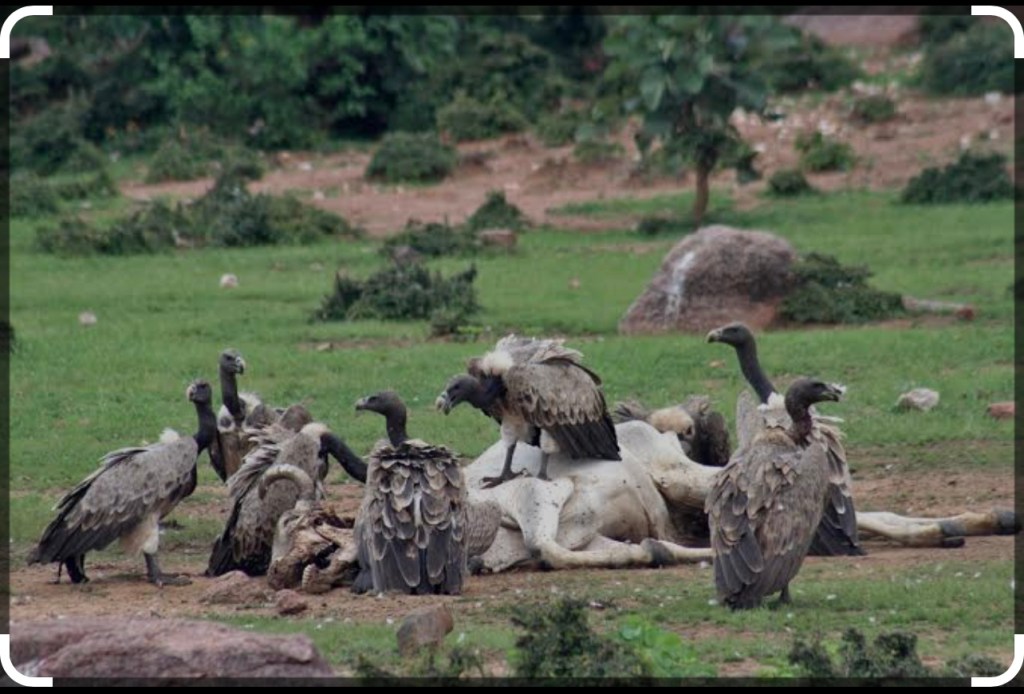
Vultures, often seen as scavengers, play a crucial role in maintaining the balance of ecosystems. These magnificent creatures, with their unique adaptations for consuming carrion, have been an integral part of nature’s clean-up crew for centuries. However, in recent decades, vultures in India have faced a severe population decline, pushing them to the brink of extinction. This decline has not only disrupted the delicate balance of nature but has also had far-reaching consequences for human health and the environment.
India is home to nine species of vultures, each with its own unique characteristics and role in the ecosystem. However, the population of these vultures has plummeted drastically in recent years. In the early 1980s, three species of Gyps vultures – the white-rumped vulture, the long-billed vulture, and the slender-billed vulture – had a combined estimated population of 40 million in South Asia. Shockingly, by 2017, the total population had dwindled to a mere 19,000 individuals.
The primary cause of this sharp decline can be attributed to the widespread use of diclofenac, a nonsteroidal anti-inflammatory drug (NSAID) commonly administered to livestock. When cattle treated with diclofenac die, vultures feeding on their carcasses suffer from kidney failure, ultimately leading to their demise. Studies have revealed that even a tiny proportion of livestock carcasses containing diclofenac can cause a significant crash in vulture populations.
The extinction of vultures has had profound implications for the environment. Without vultures to consume carrion, animal carcasses are left to rot, posing a serious risk to human health. Rotting carcasses become breeding grounds for infectious germs and pests such as rats. This increase in disease-carrying animals has resulted in a surge in feral dog populations, as they scavenge on the unattended carcasses. Feral dog bites, which are the most common cause of human rabies, have led to thousands of additional deaths and economic implications amounting to billions of dollars.
Moreover, the absence of vultures has disrupted the natural animal disposal system. Vultures, with their efficient metabolism, were able to process carcasses and prevent pollution. With their decline, the environment has suffered from increased pollution and the spread of diseases carried by other scavengers. The loss of vultures has particularly impacted the Parsi community, who traditionally expose their dead bodies for vultures to feed on. As a result of the decline in vulture populations, the Parsis have been forced to abandon their ancient customs due to hygiene concerns.
Recognizing the urgency of the situation, steps have been taken to conserve and recover vulture populations. Veterinary usage of diclofenac has been banned in India since 2006, with meloxicam suggested as a safer alternative. Conservation schemes and captive-breeding programs have been established to help revive vulture numbers. The ban on diclofenac has shown promising results, with the decline in vulture populations being significantly arrested in India, Pakistan, and Nepal.
However, challenges remain in the enforcement of the ban and the availability of diclofenac in other countries. Despite the progress made, the road to vulture recovery is a long one, as these birds are slow to breed and face numerous threats even in protected areas. The recent Vulture Action Plan 2020-25 launched by the Ministry of Environment, Forest and Climate Change in India aims to strengthen conservation measures and ensure the ban on toxic drugs for veterinary use.
The extinction of vultures in India has had far-reaching consequences for the environment and human health. The rapid decline in population numbers, primarily caused by the use of diclofenac, has disrupted the delicate balance of ecosystems. The absence of vultures has led to an increase in disease-carrying animals, pollution from rotting carcasses, and economic losses due to additional deaths from rabies. Efforts are being made to conserve and recover vulture populations, but sustained action is necessary to ensure the survival of these incredible creatures and restore eco balance in the long run.
Visit arjasrikanth.in for more insights
 SOCIAL PERSPECTIVES