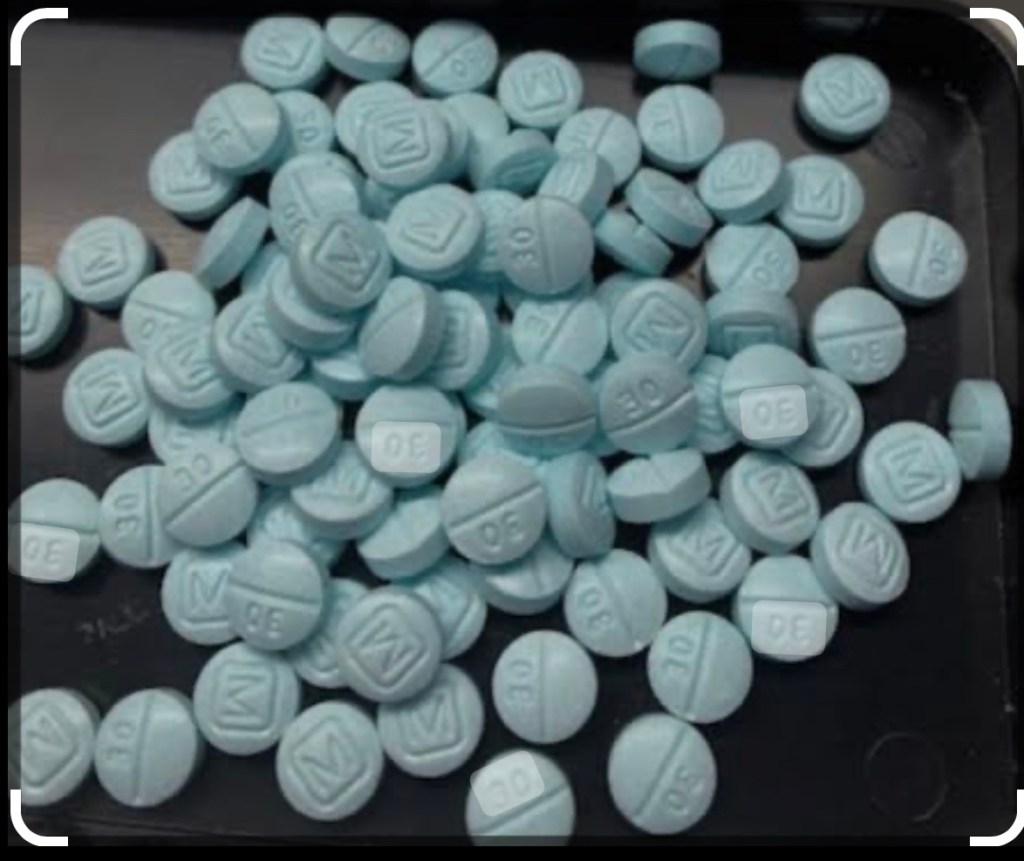
The United States takes decisive action against Chinese companies and individuals allegedly involved in the fentanyl supply chain, intensifying efforts to combat the deadliest overdose crisis in the nation’s history. Meanwhile, India faces its own fentanyl crisis at its northern borders, demanding a closer look at the global drug trade’s impact on both nations.(Fentanyl is a potent synthetic opioid drug , for use as an analgesic (pain relief) and anaesthetic. It is approximately 100 times more potent than morphine and 50 times more potent than heroin as an analgesic.)
The world finds itself in the grip of two concurrent catastrophes, both originating from the same source – China. While the COVID-19 pandemic wreaked havoc globally, China is now implicated in another catastrophe, this time in the form of drug trafficking. This article delves into the recent actions taken by the United States to combat the fentanyl epidemic and draws parallels with the fentanyl crisis affecting India. It highlights the profound economic and social impact of these crises on both nations.
The United States faces an unprecedented crisis – a surge in fentanyl-related overdose deaths that has claimed the lives of more than 100,000 Americans between August 2021 and August 2022. Fentanyl, an extremely potent synthetic opioid, is now responsible for approximately 200 daily fatalities in the U.S. The gravity of this situation has compelled U.S. authorities to intensify their efforts, not only through law enforcement but also preventative and treatment measures.
Despite these efforts, the fentanyl epidemic continues to expand, underscoring the complexity of the issue. To tackle this crisis, the U.S. government recently imposed sanctions and unveiled indictments against Chinese companies and individuals allegedly involved in the illegal fentanyl trade. These actions signal a concerted push to disrupt the fentanyl supply chain.
The charges and sanctions specifically target Chinese companies and executives accused of various roles within the fentanyl production process, including advertising, manufacturing, and distribution of precursor chemicals for synthetic opioids like fentanyl. These chemicals are instrumental in producing the highly addictive drug.
U.S. officials have framed these actions as a crucial step in their ongoing battle against the fentanyl epidemic, which stands as the deadliest overdose crisis in U.S. history. Attorney General Garland stated, “We are here today to deliver a message on behalf of the United States government. We know who is responsible for poisoning the American people with fentanyl. We know that this global fentanyl supply chain, which ends with the deaths of Americans, often starts with chemical companies in China.”
In response to the charges and sanctions, China has strongly condemned the actions taken by the United States. Liu Pengyu, a spokesperson for China’s embassy in Washington, DC, underscored China’s firm stance on counter-narcotics efforts. He accused the U.S. of “scapegoating” China and undermining bilateral anti-drug cooperation. The diplomatic tensions surrounding the issue have prompted discussions on enhancing cooperation between the U.S. and China to address the flow of fentanyl and its precursors.
The U.S. Justice Department’s actions extend beyond the charges against companies. The department has also indicted 12 company executives for their alleged involvement in drug trafficking. In a coordinated effort, the Treasury Department has imposed sanctions on 28 individuals and entities, primarily in China but also in Canada. These sanctions effectively sever these entities from the U.S. financial system and prohibit any form of business dealings between them and individuals or entities within the United States. Notably, none of those charged have been arrested yet, but Attorney General Garland emphasized the prosecution’s commitment to ensuring that all defendants face justice.
The fentanyl epidemic presents a multifaceted challenge that extends beyond legal action against suppliers. While law enforcement efforts are crucial in disrupting the supply chain, addressing the crisis requires a comprehensive approach. The surge in overdose deaths underscores the need for prevention, treatment, and harm reduction measures.
The United States has invested over a trillion dollars in the war on drugs over the past 50 years. Despite these massive expenditures, drug use in the U.S. is on the rise again. This alarming trend necessitates a reevaluation of drug policy and a recognition that a holistic approach is essential to combat the fentanyl epidemic.
As the United States confronts the fentanyl crisis, India grapples with its own drug-related catastrophe, particularly at its northern borders. The Manipur region has recently experienced a wave of violence, triggered by ethnic tensions and exacerbated by narco-politics and cross-border interests.
Ethnic fault lines in Northeast India have occasionally erupted into violent clashes, and Manipur is currently bearing the brunt of these tensions. The clashes between the Chin-Kuki-Mizo-Zomi hill tribes and the Meitei community have resulted in many deaths, with reports indicating an increasing toll. This violence has prompted the relocation of more than 45,000 individuals, with over 6,500 seeking refuge in neighboring Mizoram.
The violent episode began with an armed mob infiltrating a tribal solidarity march held in protest against the Meiteis’ demand for inclusion in the list of Scheduled Tribes under the Indian constitution. The trouble began in the Torbung area near Churachandpur and rapidly escalated, leading to systematic arson and destruction in various areas.
Amidst the turmoil, claims and counterclaims have emerged, particularly related to narco-terrorism. The Meitei Resurgence Forum (MReF) has accused certain groups, including Kuki armed groups operating under the Suspension of Operation (SoO) agreement, of instigating violence while being involved in drug trafficking. The SoO represents a ceasefire signed between the Indian government, Manipur government, and Kuki armed groups. MReF has further alleged that armed Kuki militants were involved in killings, arson, and the destruction of Meitei temples and shrines.
The MReF also condemned Meitei mobs for vandalizing and destroying Kuki property in the valley areas. They alleged that armed Kuki militants, funded by drug money and supported by illegal migrants, were exacerbating the conflict.
The conflict in Manipur is closely linked to the illicit drug trade and national security. The Manipur government’s efforts to combat the illegal drug trade, including the destruction of poppy cultivation, have contributed to simmering anger among certain communities. Drug smuggling and production persist in Manipur, leading to disillusionment among the populace.
The drug trade in the region is interconnected with international dynamics. Manipur, bordering the Golden Triangle countries, has become a hub for poppy cultivation and heroin production. The influence of drug trafficking organizations, allegedly connected to major Southeast Asian players, cannot be underestimated. This international drug trade’s impact on Manipur’s conflicts demands a broader perspective.
India’s strategic interests in the Indo-Myanmar region should be pursued judiciously. Manipur’s ongoing violence should not be exploited to exacerbate internal conflicts in northeastern states. A comprehensive and sensitive approach is needed to address these complex challenges while ensuring national security and stability.
In conclusion, the fentanyl crisis has gripped both the United States and India, albeit in different forms. While the U.S. grapples with the fallout of Chinese involvement in the illegal fentanyl trade, India faces its own challenges in Manipur, exacerbated by narco-politics and cross-border interests. Both nations must navigate these crises carefully, recognizing the multifaceted nature of the problems and the need for comprehensive solutions.
Visit arjasrikanth.in for more insights
 SOCIAL PERSPECTIVES