PM of Canada’s Unauthenticated Intelligence Remark Raises Concerns
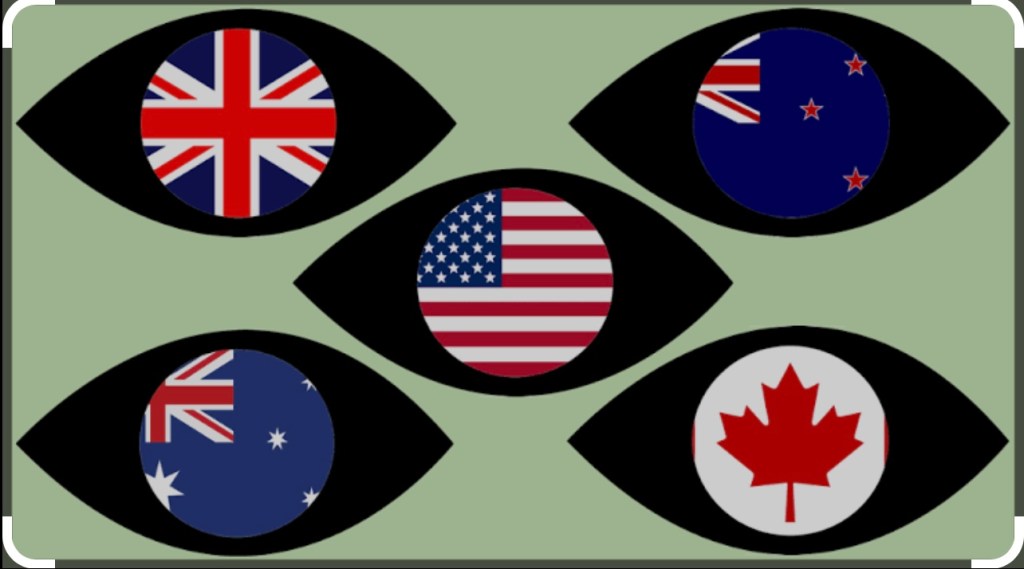
The Five Eyes alliance, an intelligence-sharing partnership between the United States, the United Kingdom, Canada, Australia, and New Zealand, has long been a cornerstone of global security cooperation. However, recent events have cast a shadow over its integrity, with implications for the relationship between Canada and India.
The recent statement by Canadian Prime Minister Justin Trudeau, linking the assassination of Khalistani leader Hardeep Singh Nijjar to the Indian government, has raised eyebrows. What makes this statement particularly concerning is that it appears to be based on unverified intelligence. While domestic political pressures can sometimes push leaders to make rash statements, such actions carry substantial international ramifications.
For democratic nations like Canada and India, preserving international partnerships is essential. Both countries share a commitment to combating terrorism and secessionism, making cooperation imperative. However, unilateral actions by one member of an intelligence-sharing alliance can strain relationships and jeopardize the broader partnership.
Diplomacy plays a vital role in managing such situations. Open channels of communication must be maintained to address misunderstandings and avoid further escalation. In this case, both nations should engage in constructive dialogue to clarify the situation and reaffirm their commitment to shared goals.
The origins of the Five Eyes alliance trace back to World War II when the UK and the US decided to share intelligence to counter the Soviet threat during the Cold War. The alliance, formalized through the UKUSA Agreement, was later joined by Canada, Australia, and New Zealand. Despite its creation in the 1940s, the alliance remained top-secret for many years, with governments not officially acknowledging it until 1999.
The Five Eyes partners share a wide range of intelligence, particularly in the realm of signals intelligence (SIGINT). Initially, these partners were assigned specific SIGINT mandates, but over time, their cooperation expanded to cover a comprehensive array of intelligence-related areas. They have become involved in areas such as counterterrorism, defence intelligence, and even medical intelligence. To maintain cooperation, the Five Eyes Intelligence Oversight and Review Council (FIORC) was established to exchange views and best practices.
The Five Eyes alliance has faced criticism for its mass surveillance program, revealed through the disclosures of Edward Snowden in 2013. This program involved monitoring citizens of member countries, raising concerns about privacy and democratic legitimacy. Additionally, there have been cases where the alliance was embroiled in controversies, such as Canada’s use of the alliance to monitor the electronic communications of Canadian terror suspects overseas.
The recent allegations by Canada against India have strained relations between the two countries. Canada has accused India of involvement in the assassination of Hardeep Singh Nijjar, a Sikh separatist. The allegations are based on intelligence, some of which was provided by a member of the Five Eyes alliance. India has vehemently denied any involvement, and the situation has escalated with both countries expelling diplomats.
In the world of international intelligence-sharing, trust, responsible use of information, and diplomacy are paramount. The Five Eyes alliance, while serving the interests of its member nations, also has a global impact. The recent incident involving Canada’s PM serves as a stark reminder that local political considerations should not jeopardize international partnerships. For Canada and India, resolving this issue through diplomatic means is essential to preserve the alliance’s integrity and ensure continued cooperation in tackling global security challenges. The Five Eyes alliance faces the challenge of adapting to a changing world while maintaining the trust and transparency necessary for successful intelligence sharing.
Visit arjasrikanth.in for more insights
 SOCIAL PERSPECTIVES