Title: The Digital Revolution: Transforming Consumer Behavior Through Online Platforms
In our rapidly evolving world, marked by a relentless pursuit of convenience, online platforms such as Amazon and Swiggy have become game-changers, reshaping consumer behavior and spending patterns. The era of physical store visits is waning as a substantial portion of the population now relies on digital platforms for everything from food delivery to product purchases. In this article, we delve deep into the profound impact of these shifting trends on brands and businesses, exploring the intricate dynamics that position online aggregators as both allies and adversaries.
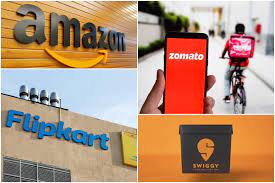
Picture this: You’re out and about, and it’s commonplace to spot delivery personnel adorned in Swiggy or Zomato attire, zipping through traffic on their trusty two-wheelers. Likewise, office reception areas often teem with Amazon and Flipkart delivery representatives. These scenes vividly exemplify the convenience-driven economy that has captivated consumers. Increasingly, people opt for the luxury of having their meals and merchandise brought to their doorstep instead of embarking on trips to traditional brick-and-mortar establishments.
For brands, this transformation in consumer behavior presents a compelling conundrum. Those not yet engaged in online sales risk missing out on an expanding consumer segment that favors digital shopping. This leaves brands with two principal choices: either develop their independent e-commerce platforms or collaborate with aggregators like Amazon or Swiggy.
Creating an autonomous e-commerce site offers distinct advantages. Brands can craft a tailored user experience, provide exclusive promotions, coupons, and loyalty programs, and tap into invaluable user insights. Nevertheless, this approach entails substantial expenses, spanning the development and maintenance of the website to the acquisition and retention of customers.
On the flip side, partnering with aggregators such as Amazon and Swiggy grants brands access to a colossal customer base. These platforms wield immense influence, driving substantial traffic and sales, making them indispensable partners for brands. However, this collaboration comes with a caveat—the aggregators gain access to invaluable customer data.
While aggregators undeniably serve as allies to brands by bolstering sales, they can also be perceived as adversaries due to their data-centric approach. Aggregators amass vast troves of customer data, encompassing purchase histories and preferences. Armed with this wealth of information, they can introduce private-label products that directly compete with existing brands. By harnessing consumer insights, aggregators have the ability to divert customer attention away from brand offerings toward their proprietary products.
Brands that become overly reliant on these aggregators may fall into a complacency trap, potentially neglecting other sales channels. Should private-label alternatives gradually erode their market share, they could find themselves ill-prepared to pivot toward alternative avenues.
The digital age has wrought a paradigm shift in consumer behavior, with online platforms emerging as the preferred shopping mode for many. Brands now face the delicate balancing act of leveraging aggregator platforms for sales while safeguarding their market share from the encroachment of private-label competition. As the consumer landscape continues to evolve, adaptability and innovation will stand as the linchpins for brands endeavoring to thrive in this ever-shifting terrain. Online platforms have undeniably revolutionized the consumer experience, and the future holds the promise of even more exhilarating developments in the realm of e-commerce.
Visit arjasrikanth.in for more insights.
 SOCIAL PERSPECTIVES