Title: “Ink and Illness: Why Using Newspapers for Food Is a Recipe for Disaster”
In an era where food safety is paramount, a seemingly innocuous habit has been raising alarm bells in the food industry – using newspapers to wrap, serve, or store food items. This article explores the hidden dangers lurking behind this common practice and underscores the urgency of discontinuing it. Your health could be at stake!
Newspapers have been a part of our daily lives for generations. We turn to them for news, information, and sometimes, even as a quick solution for wrapping up leftovers or street food. What many people are unaware of, however, is that newspapers, when in contact with food, can pose a significant threat to our health. The ink used in newspapers contains a concoction of bioactive materials that spell trouble for our well-being. The Food Safety and Standards Authority of India (FSSAI) has emphasized that these printing inks may contain chemicals such as lead and heavy metals, which have the potential to seep into the food they come into contact with. Over time, this chemical contamination can result in severe health risks, including heavy metal poisoning.
Newspapers, as we all know, go through various environmental conditions during their distribution, making them susceptible to contamination by harmful pathogens such as bacteria and viruses. When these tainted newspapers come into contact with food, they serve as carriers for the transfer of these pathogens. Consuming food thus contaminated can lead to foodborne illnesses and other health issues, posing a serious threat to our well-being.
Studies have shown that newspapers can harbor bacteria like Staphylococcus aureus, Salmonella, and E. coli. These harmful microorganisms can cause food poisoning and various digestive disorders if ingested. The acidic nature of the paper further exacerbates the growth of these pathogens, making it a dangerous choice for food storage and serving.
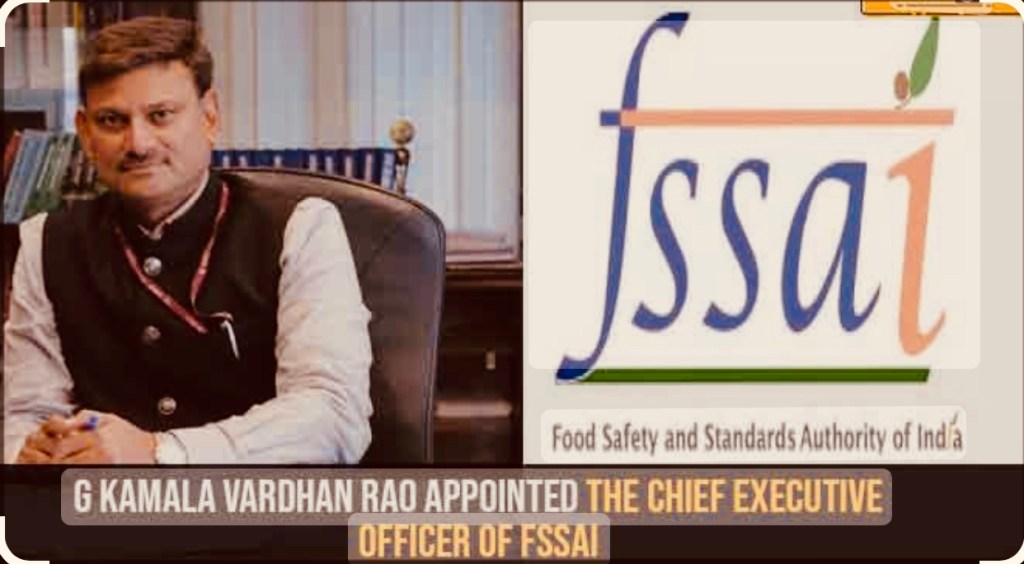
G Kamala Vardhana Rao, IAS, the CEO of FSSAI, has made an impassioned appeal to both consumers and food vendors to completely cease using newspapers in any capacity related to food. While FSSAI is diligently working with state food authorities to enforce regulations that prohibit the use of newspapers for food packaging, it is crucial for responsible individuals to heed this call. To ensure the safety of consumers, FSSAI strongly advocates the use of approved food packaging materials, such as food-grade containers. These containers are rigorously designed and tested to ensure they are safe for storing and serving food. By opting for these alternatives, we not only protect our health but also contribute to the broader goal of reducing foodborne illnesses.
The Food Safety and Standards (Packaging) Regulations of 2018 are crystal clear on this issue. These regulations categorically ban the use of newspapers or similar materials for storing and wrapping food. According to these rules, newspapers should not be employed to wrap, cover, or serve food, nor should they be used to absorb excess oil from fried items.
In this age of information, it’s crucial to stay informed about the latest developments, particularly those that concern our health. FSSAI’s earnest appeal to discontinue the use of newspapers for food-related purposes is one such vital development. The ink in newspapers may appear harmless, but it conceals hidden dangers that can imperil our health over time.
To safeguard ourselves and our loved ones, we must embrace safer alternatives like food-grade containers. Let’s unite in our commitment to food safety and make the right choice for our well-being. Say no to newspapers in your kitchen, and together, we will create a healthier, safer food culture.
Despite the authorities’ warnings about the hazardous consequences of using newspaper for food packaging, the practice still persists. Street vendors and markets continue to wrap sticky rice, meat, and other delicacies in newspaper, ignoring the dangers it poses to consumers.
Furthermore, newspapers pass through various stages, from printing to distribution, during which they accumulate dust, bacteria, and parasites. Newsprint’s absorbent nature makes it an ideal breeding ground for these harmful microorganisms. Once food enters the human body, lead is challenging to eliminate and can become toxic when it reaches a certain threshold.
In the face of these compelling reasons and expert warnings, it’s high time we bid farewell to the perilous practice of using newspapers for food-related purposes. The seemingly harmless ink on those pages hides a multitude of health risks that we cannot afford to ignore. To protect our well-being and that of our loved ones, we must wholeheartedly embrace safer alternatives like food-grade containers. Let’s join hands in our commitment to food safety and make the responsible choice for our health. Say no to newspapers in your kitchen, and together, we will forge a path toward a healthier and safer food culture.
Arjasrikanth.in
 SOCIAL PERSPECTIVES