Title: The Long Wait: Women’s Reservation Bill Delayed for another Half Decade
The Women’s Reservation Bill, a significant step towards women’s empowerment in India, has been in the limbo for the last 27 years. The recent development indicates that this wait is far from over, as it is now delayed for another five years due to various factors such as the new census, delimitation, and concerns over OBC quota. This delay has left millions of women who have been patiently waiting for this legislation disappointed.
The Women’s Reservation Bill, aimed at providing 33% reservation for women in the Lok Sabha and state legislative assemblies, is a historic piece of legislation that has been pending since 1996. Its objective is to promote gender equality in politics and increase women’s participation in decision-making roles.
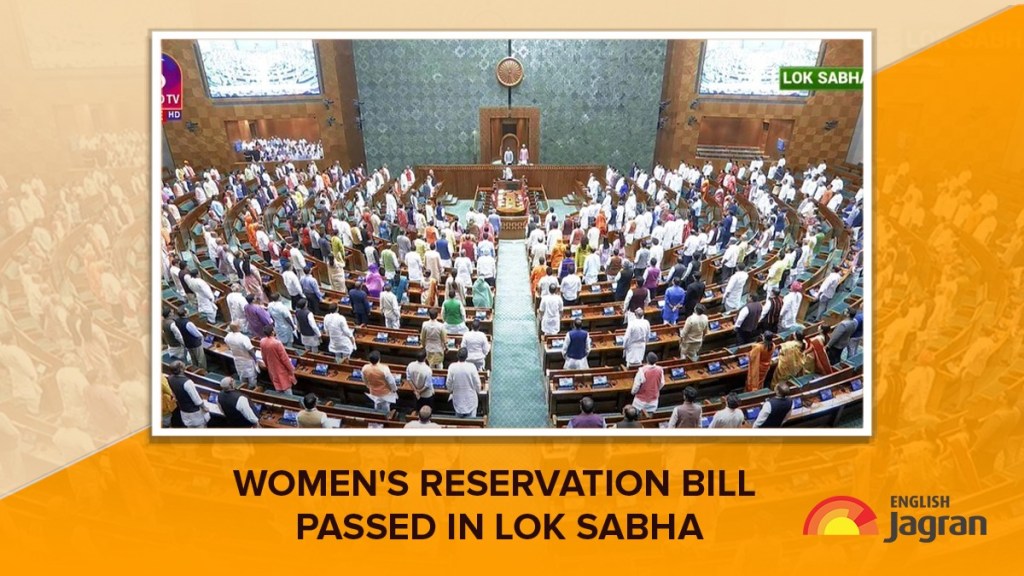
Women’s Reservation Bill has been passed in the Lok Sabha, setting a timeline for its implementation by 2029. This news was met with hope and enthusiasm among those who have been advocating for women’s rights and empowerment for decades.
The passing of this bill is expected to have a significant impact on Indian politics. It extends the quota to seats reserved for scheduled castes and scheduled tribes, potentially reshaping the political landscape. The BJP, in particular, hopes that this move will help them gain more women voters in upcoming elections.
One notable aspect of this bill is that it comes with a 15-year amendment, meaning it will be in effect for 15 years from the date it becomes law. This timeframe is consistent with previous attempts to pass similar bills, highlighting the long-standing struggle to enact this change.
While the passing of the bill is a major step forward, several preconditions must be met for its implementation. Two critical factors are the census and delimitation. The census was scheduled for 2021 but was postponed due to the pandemic. Delimitation, the process of redrawing constituencies, is expected to take place in 2026. After these exercises, it is estimated that it will take another 1.5 to 2 years for the bill to become effective.
The government’s decision to link the Women’s Reservation Bill to the delimitation exercise has raised questions. Delimitation is a contentious issue that involves re-drawing constituencies based on population. States with declining populations fear losing representation, while those with growth worry about dilution. This linkage adds complexity to an already challenging process.
The bill’s passage is a significant achievement, but it also raises questions about its implementation. Some argue that women from marginalized communities within the reserved seats should have a fair share of representation, creating a reservation within a reservation.
The Women’s Reservation Bill has been a beacon of hope for gender equality in Indian politics for over two decades. While its recent passage in the Lok Sabha is a positive development, the road ahead remains daunting. The bill’s implementation hinges on a successful census and delimitation process, which may take several years. As women in India continue to wait for their rightful representation in politics, the journey towards gender equality faces both triumphs and tribulations. The delay of another five years is a reminder that the struggle for women’s empowerment is far from over, but the hope remains undiminished.
arjasrikanth.in
 SOCIAL PERSPECTIVES