Title: Nipah Virus: Understanding, Prevention, and Control
Introduction
Nipah virus (NiV) is a zoonotic disease that has garnered global attention due to its potential to cause severe illness and fatalities in both humans and animals. The virus has been detected in various regions of India, with outbreaks recorded in states like Kerala, West Bengal, and Odisha. This article delves into the nature of the Nipah virus, its transmission, symptoms, prevention measures, and the challenges it poses to public health.
Understanding Nipah Virus
Nipah virus is a member of the Henipavirus genus within the Paramyxoviridae family. The virus is characterized by its non segmented, single-stranded, negative-sense RNA structure. NiV is known to infect both humans and animals, with bats serving as natural reservoir hosts. Pigs, in particular, are a major intermediary host, playing a crucial role in the transmission of the virus to humans.
Transmission and Symptoms
The primary mode of transmission of Nipah virus to humans occurs through the consumption of contaminated food or direct contact with infected animals. Once transmitted, the virus can cause a range of symptoms, including fever, headache, cough, muscular pain, respiratory problems, dizziness, nausea, and decreased consciousness. In severe cases, Nipah virus infections can lead to encephalitis, characterized by swelling of the brain, and may prove fatal. The case fatality rate of NiV infections can vary, ranging from 40% to 75%, depending on factors such as surveillance and clinical management.
Nipah Virus Outbreaks in India
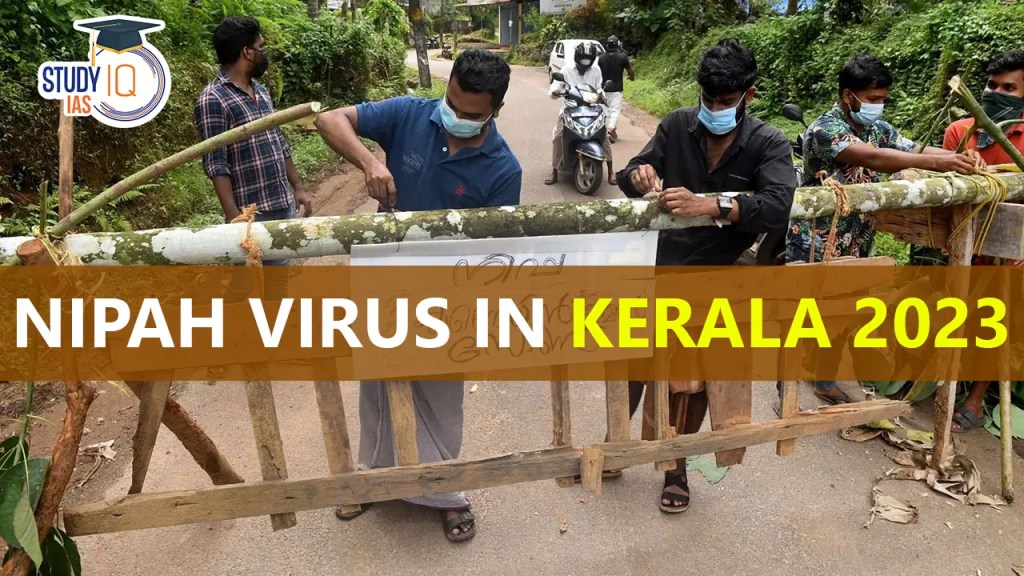
India has witnessed several outbreaks of the Nipah virus in recent years, with Kerala being particularly affected. The state has faced four Nipah virus outbreaks since 2018, prompting authorities to implement stringent control measures. These outbreaks have raised concerns about public health preparedness and the need for effective prevention strategies.
Prevention and Control Measures
To combat Nipah virus outbreaks, several prevention and control measures are essential:
Vaccination of Pigs: Since pigs are a significant intermediary host for the virus, vaccination programs for pigs are crucial in preventing the spread of Nipah virus.
Public Education: Raising awareness among the public about personal hygiene, safe food practices, and the risks associated with contact with infected animals is essential.
Disease Surveillance: Implementing robust disease surveillance systems to detect and respond to potential outbreaks promptly is critical in controlling the virus’s spread.
Containment and Isolation: Isolating infected individuals and practicing strict infection control measures in healthcare settings are vital to prevent human-to-human transmission.
Collaborative Efforts: Collaboration between healthcare authorities, veterinarians, and researchers is essential in developing effective strategies for Nipah virus prevention and control.
Challenges and Global Concerns
Nipah virus is listed by the World Health Organization (WHO) as one of several diseases deserving priority research due to its potential to cause global epidemics. The virus’s zoonotic nature, coupled with factors such as high population density, deforestation, and climate change, contributes to its emergence and spread. Additionally, there are currently no authorized drugs or vaccines available for the prevention or treatment of Nipah virus infections, making it a significant challenge for public health officials worldwide.
Conclusion
Nipah virus remains a formidable threat to public health in India and other regions where it has been detected. The virus’s zoonotic nature, coupled with its high fatality rate, necessitates ongoing efforts to prevent its spread and control outbreaks. Vaccination of pigs, public education, robust disease surveillance, and collaborative research are essential components of an effective strategy to combat Nipah virus. Additionally, the global health community must prioritize research and development efforts to develop vaccines and treatments for this deadly virus to protect human and animal populations alike.
 SOCIAL PERSPECTIVES